


Lift-and-Shift (IaaS-based Migration)
- Migrated workloads to Azure Virtual Machines
- Minimal architectural changes
- Faster migration with limited transformation
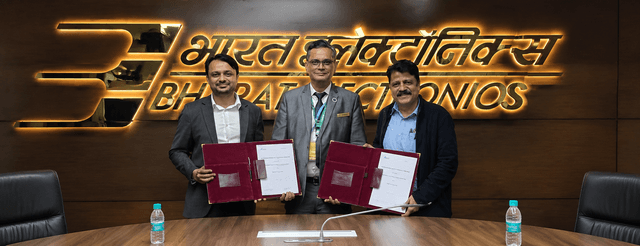
A strategic collaboration focused on AI, cybersecurity, electronic warfare, anti-drone systems, and secure digital infrastructure to strengthen India’s indigenous defence innovation ecosystem.
A strategic collaboration focused on delivering advanced IT service management solutions to enhance operational efficiency, digital resilience, and infrastructure transformation initiatives.

A strategic collaboration focused on enabling sustainable digital transformation through advanced technology solutions for mission-critical and high-impact industry environments.
See how we're transforming enterprises with intelligent automation and real-time analytics.
Migrated a legacy on-premise biomedical platform to a containerised, Kubernetes-orchestrated architecture on Azure — enabling multi-tenant SaaS capability, 40–50% reduction in infrastructure overhead, auto-scaling, and vendor-neutral open-source design.
Days → hrs Deployment cycles reduced
50% Lower infrastructure overhead
65% Faster deployments

Because of legacy on-premise infrastructure, the client faced growing operational and scalability constraints:


